If you are planning to experience Tanzania’s wild landscapes and vibrant culture in 2025, you’ve come to the right place! Tanzania is a land full of adventure, from the vast plains of the Serengeti to the crystal-clear sands of Zanzibar and the iconic Mount Kilimanjaro. Here, we take an in-depth look at the best travel tips to ensure your trip to Tanzania is safe, enjoyable, and unforgettable.
- The Best Time to Visit Tanzania
Tanzania’s peak tourist season depends on your interests:
- January to March: Calving season in the Serengeti, when you will see many newborn animals and potential predator activity.
- June to October: The dry season is the best time for safaris and the Great Migration. It is also the prime time to climb Mount Kilimanjaro.
- November to December: An excellent period for visitors seeking fewer crowds and unique scenery, as light rains transform the landscape.
Pro tip: Book your tour early, especially for popular months, to secure availability and get the best prices.。
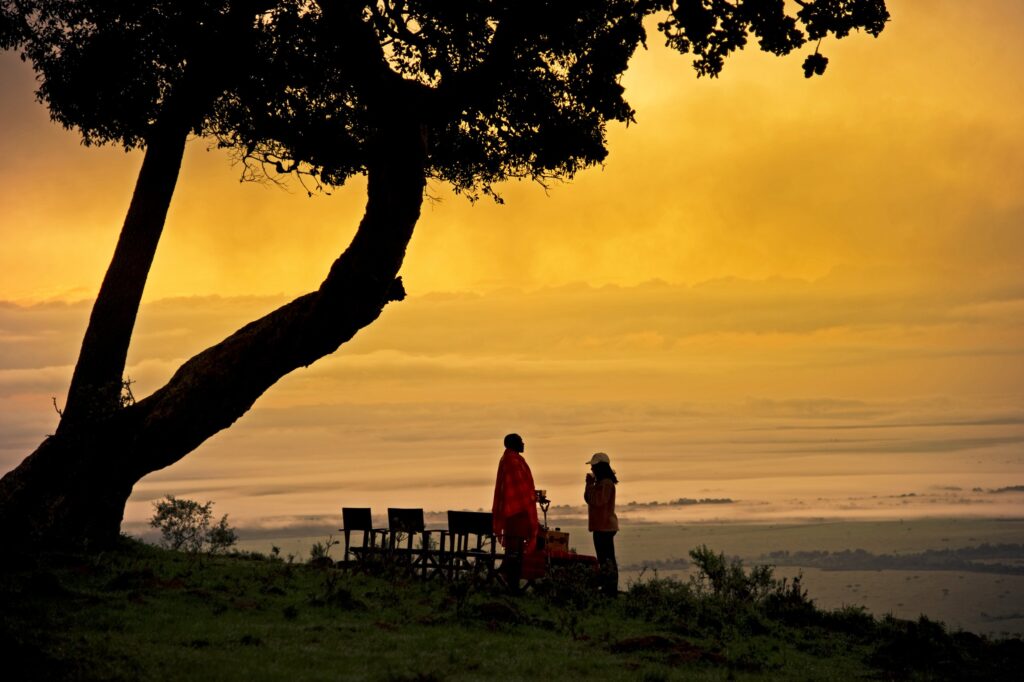
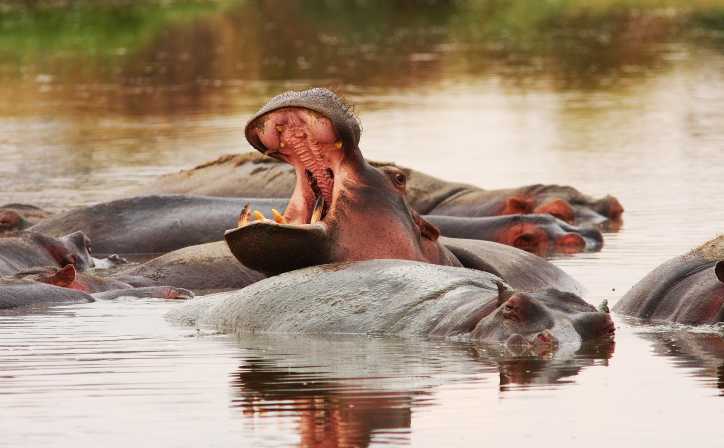

2. Top Destinations in Tanzania
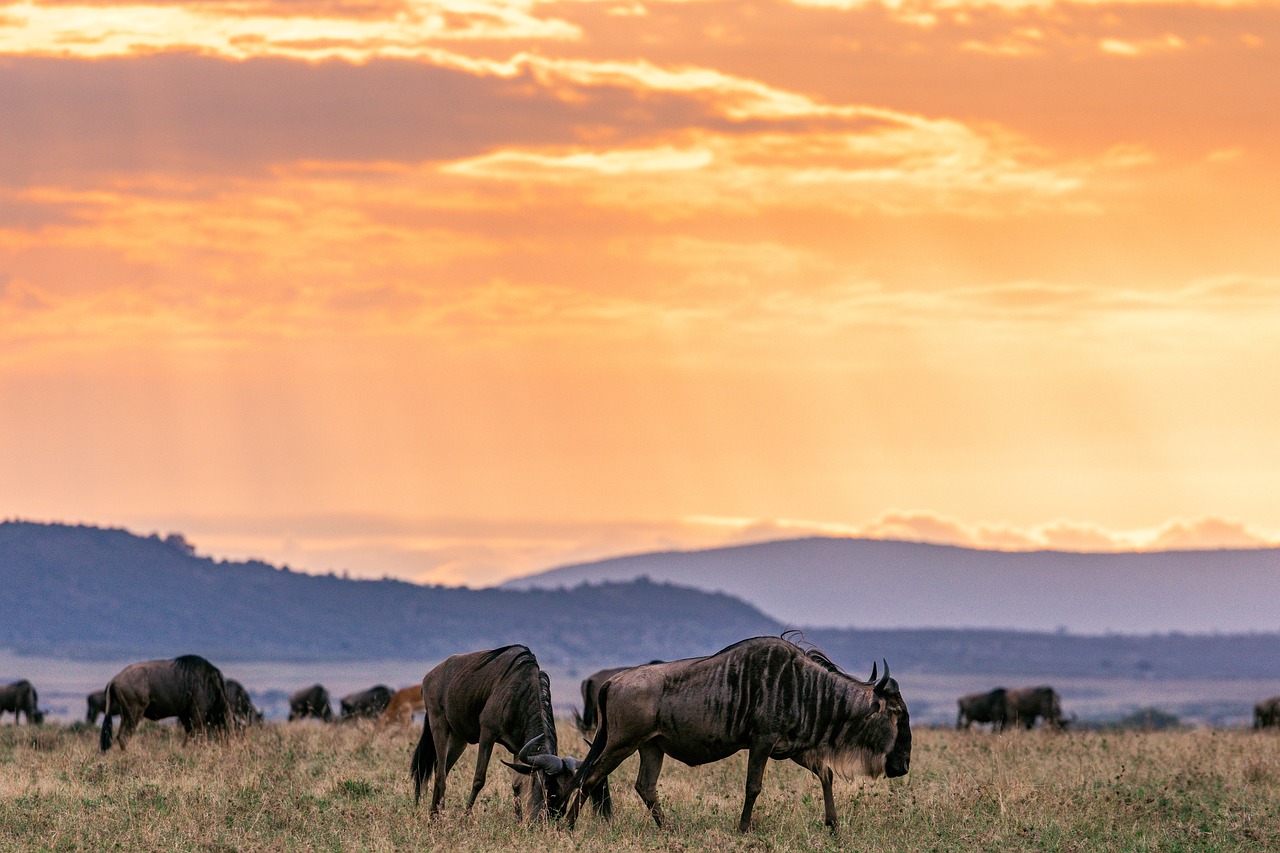
Serengeti National Park: Famous worldwide for the annual Great Migration, when millions of wildebeest and zebras cross the plains. Bring quality binoculars and a camera with a zoom lens.
Ngorongoro Crater: A UNESCO World Heritage Site and an unmissable attraction, where you can enjoy incredible wildlife viewing inside a lush, enclosed crater.
Mount Kilimanjaro: Africa’s highest peak, offering climbing routes suited to different levels of ability. Be sure to plan a proper altitude acclimatization strategy.
Zanzibar: For the dual pleasures of cultural heritage and island relaxation, head to Stone Town and the pristine beaches of Nungwi or Paje.
Tarangire and Lake Manyara: Lesser-known parks with unique landscapes and excellent wildlife viewing, especially for elephants and flamingos.
3. Visa and Entry Requirements
Since 2025, the Tanzanian government has simplified the visa process for many international visitors:
Visa on arrival: Airports and border crossings offer visas on arrival to travelers of many nationalities. However, an e-visa is recommended for faster processing.
Yellow fever vaccination: Required if you are arriving from a country where yellow fever is endemic.
COVID-19 and health protocols: Keep up to date with health advisories. Requirements may change, but it is wise to carry proof of vaccination and health insurance.
For the latest visa information, visit the website of the Tanzania Immigration Department.
4. Currency and Payments
Tanzanian shilling (TZS): The local currency, used for most transactions. Hotels and restaurants in major cities accept credit cards, but it is always wise to carry cash, especially in rural areas.
US dollars: Widely accepted, especially in the tourism industry, but make sure you use notes printed in 2009 or later, as older notes may not be accepted.
Pro tip: Carry small-denomination notes for tips and minor purchases.
5. Cultural Etiquette and Language
Greetings: Tanzanians value greetings, so try saying “Jambo!” (Hello) or “Habari?” (How are you?).
Dress modestly: Especially in Zanzibar and other coastal areas with a strong Islamic influence.
Learn key Swahili phrases: Basic phrases such as “Asante” (Thank you) and “Pole pole” (Slowly, slowly) go a long way toward building rapport with locals.
6. Health and Safety Tips
Malaria prevention: Malaria is present in some areas, so bring insect repellent and consider taking antimalarial medication.
Vaccinations: Depending on your itinerary, get vaccinated in good time against hepatitis A, hepatitis B, typhoid, and rabies, among others.
Stay hydrated and protect yourself from the sun: The African sun can be very intense. Always carry drinking water, and wear a hat and sunscreen.
For health guidance, see the CDC’s Tanzania traveler health information.
7. Transport and Getting Around
Domestic flights: Efficient and convenient for getting to and from major destinations, and especially time-saving.
Safari vehicles: Most tour operators provide 4×4 vehicles to handle rough safari terrain.
Public transport: Dala-dalas (shared minibuses) and bodabodas (motorcycle taxis) are common and affordable, but may not meet the safety standards tourists are used to.
Travel tip: Avoid traveling at night. If you rent a car, make sure you hold an international driving permit and are comfortable driving on the left.
8. Responsible Tourism
Support local businesses: Choose local guides, accommodation, and dining to contribute to the community economy.
Wildlife conservation: Tanzania is home to many endangered species, so make sure any safari or wildlife tour you join is ethically run.
Plastic ban: Tanzania has banned single-use plastics, so bring reusable bags and bottles to reduce waste.
9. Essential Items for Your Tanzania Trip
Safari gear: Neutral-colored clothing, sturdy hiking boots, and a hat.
Beachwear: For Zanzibar, bring swimwear and casual, modest clothing for getting around.
Tech and accessories: Binoculars, a high-quality camera, a power bank, and adapters (Tanzania uses Type D and Type G plugs).
Travel insurance: Essential for any emergency, especially if you are doing activities such as mountain climbing.
10. Local Experiences Worth Having on Your Trip
Visit a Maasai village: Experience Tanzanian culture firsthand by visiting a Maasai village.
Zanzibar spice tour: Learn about the island’s historic spice trade and taste fresh spices.
Kilimanjaro coffee tour: Tanzania is a major coffee producer, and the tour will show you the whole process from bean to cup.